
Released 28 April 2026 at atelierjaku.bandcamp.com

CD 1 Descants 1 (2020)
Performed by Ko Ishikawa (shō and u)
Performed by Ko Ishikawa (shō and u)
CD 2 Descants 2 (2020) and Descants 4 (2021)
Descants 2 performed by Yuta (treble)
Descants 4 performed by Tomoko Akasaka (viola)
Descants 2 performed by Yuta (treble)
Descants 4 performed by Tomoko Akasaka (viola)
CD 3 Descants 3: Hayama Shoreline (2021)
Performed by Daryl Jamieson (objects)
Performed by Daryl Jamieson (objects)
CD 4 Descants 5 (2021)
Performed by Shōzan Hasegawa (shakuhachi)
Performed by Shōzan Hasegawa (shakuhachi)
All tracks composed and recorded by Daryl Jamieson
CD design by Setsuami
Packaging by Niijima Tatsuhiko

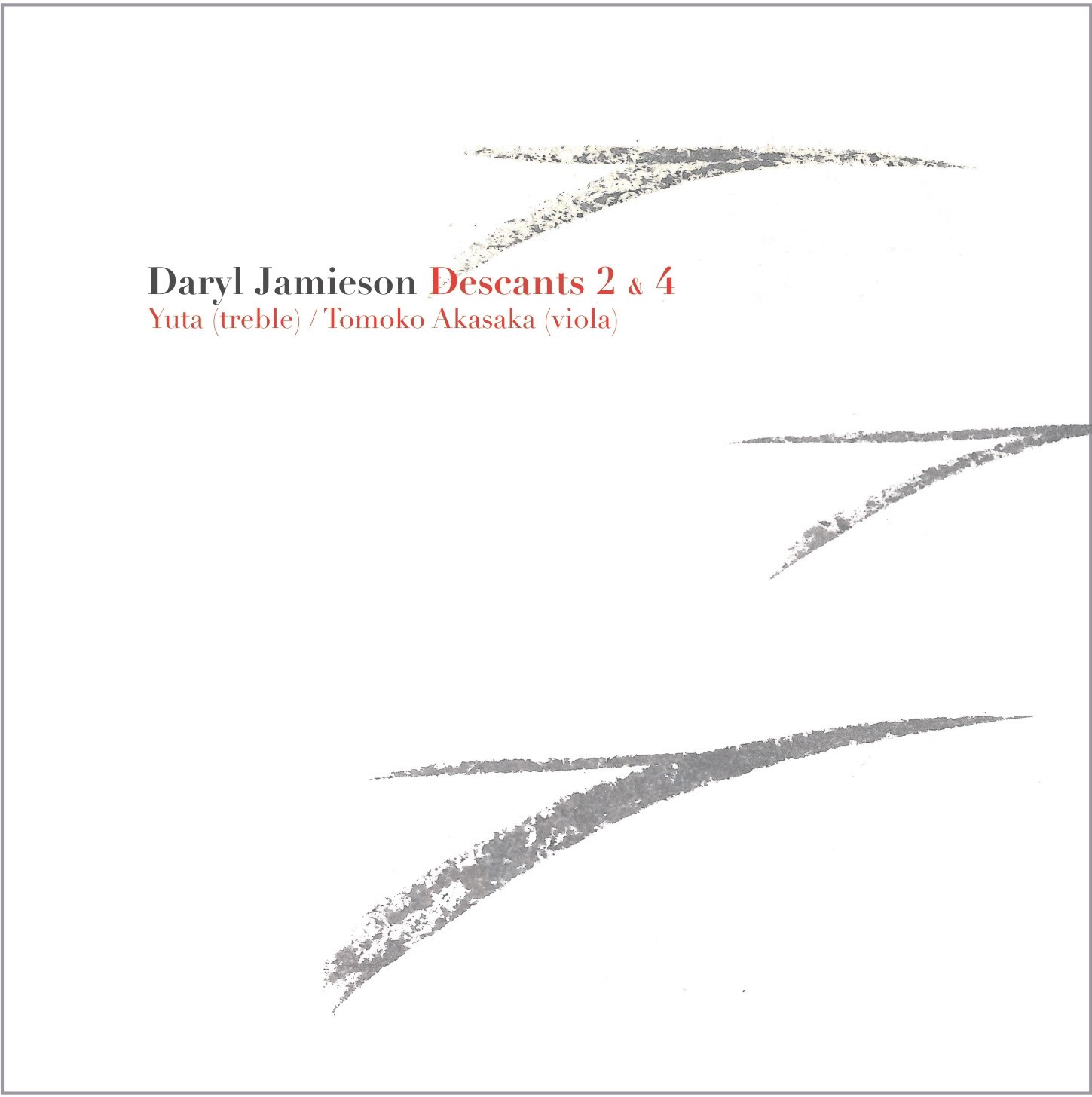
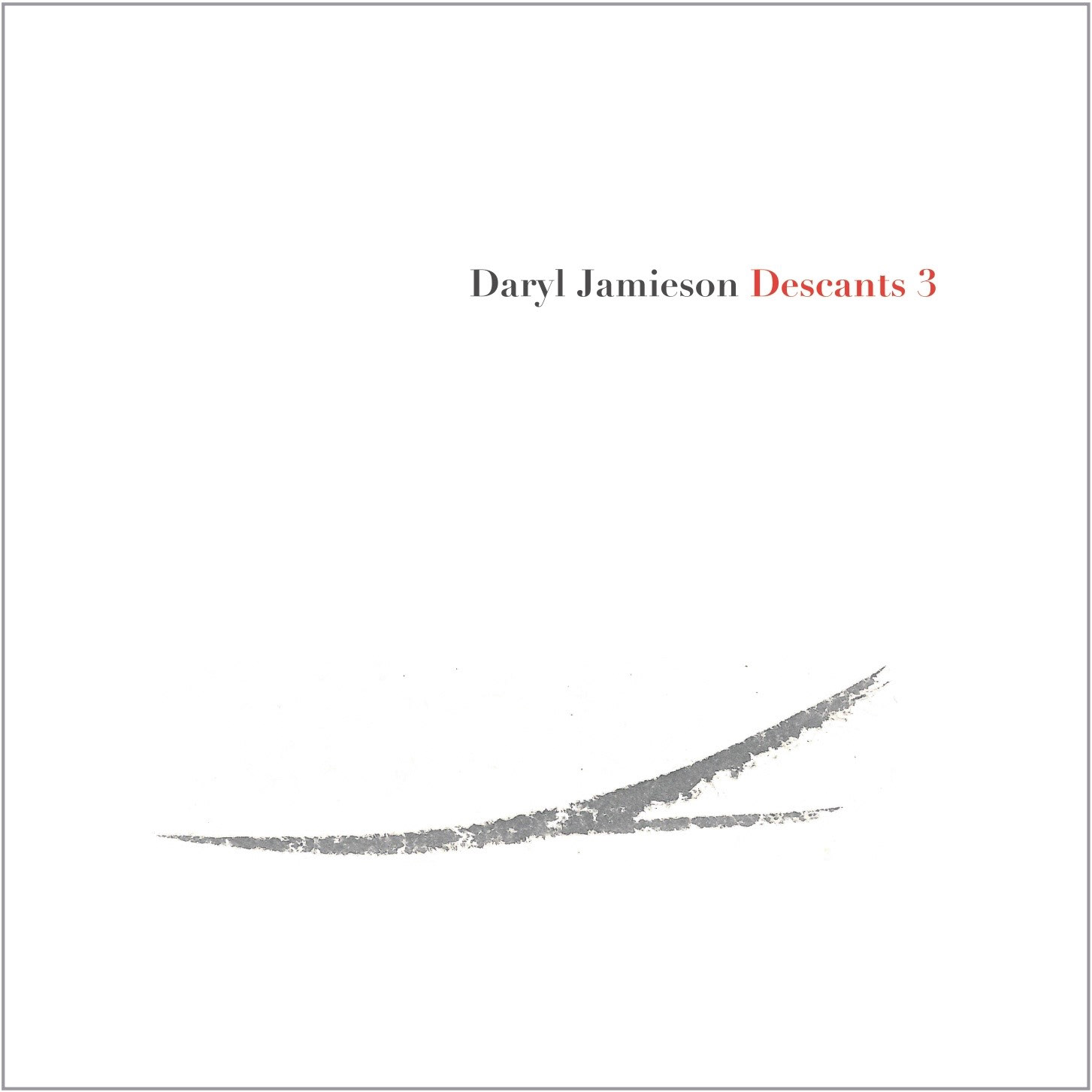
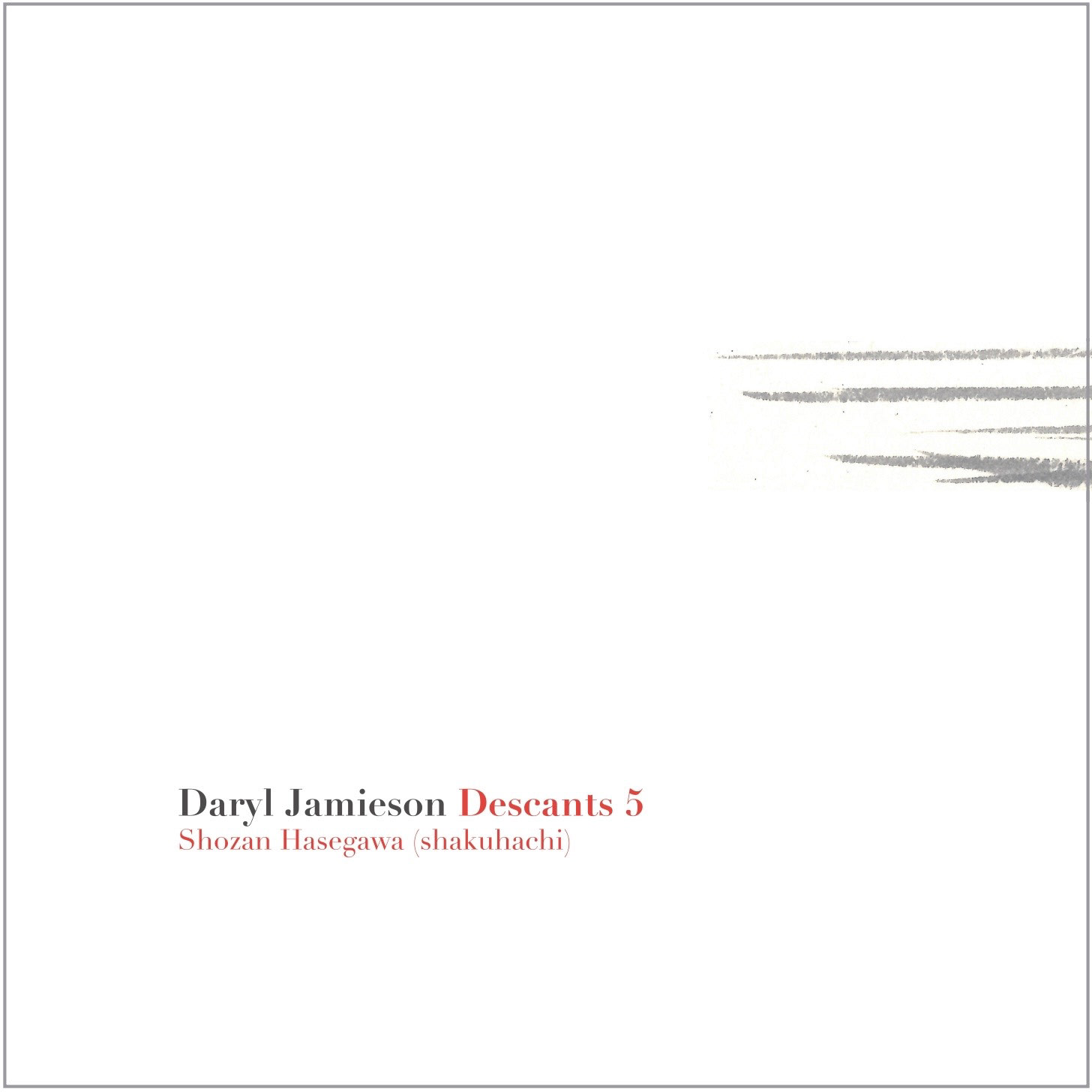
The physical 4-CD set comes in a specially-designed handmade case (made by Niijima Tatsuhiko), with a hand-painted cover by atelier jaku's designer, Setsuami. Each case is unique.
The 4-CD set, as well as each CD separately, can also be purchased digitally.
At launch, atelierjaku.bandcamp.com is the only point of purchase on the internet for both physical and digital purchases.
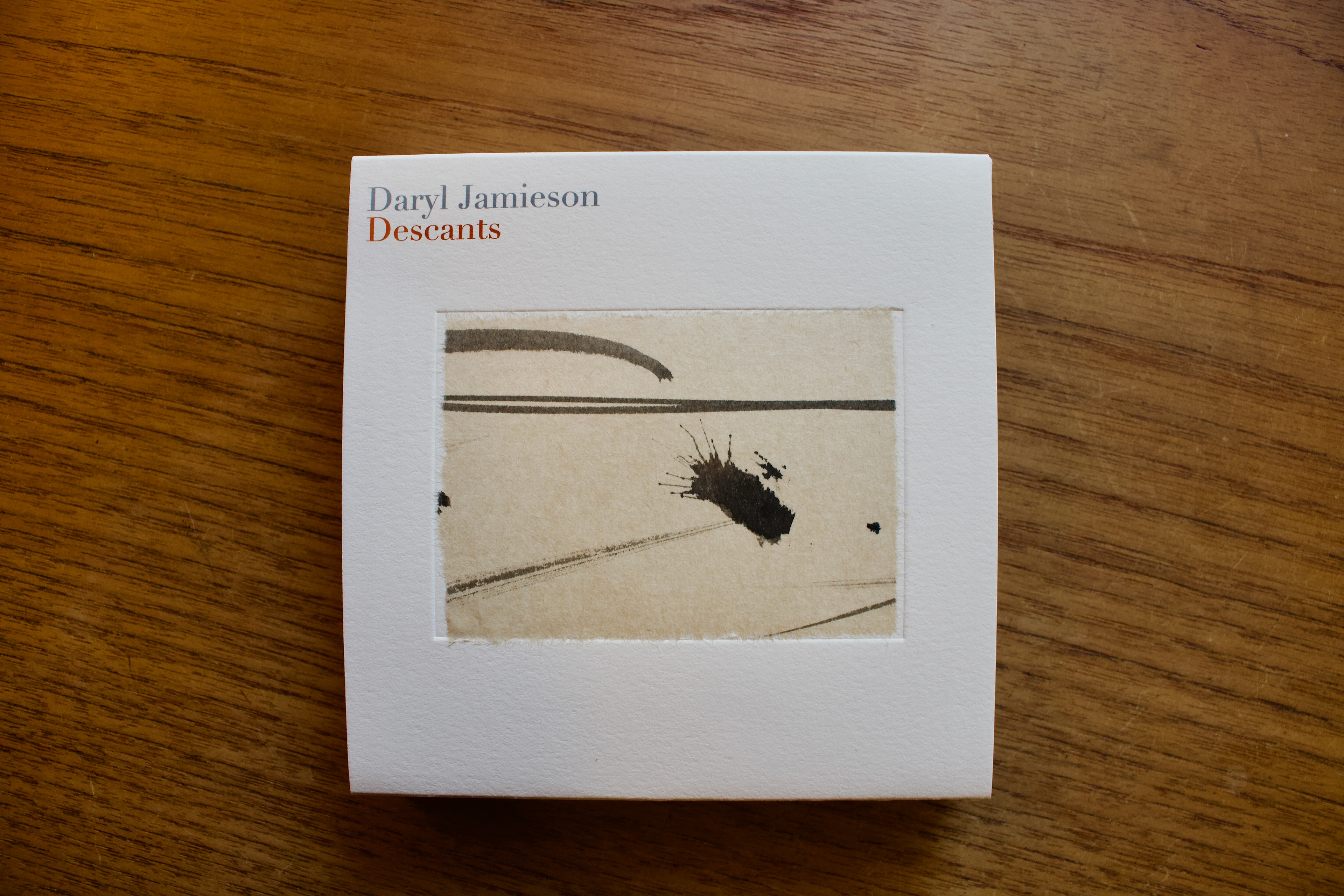
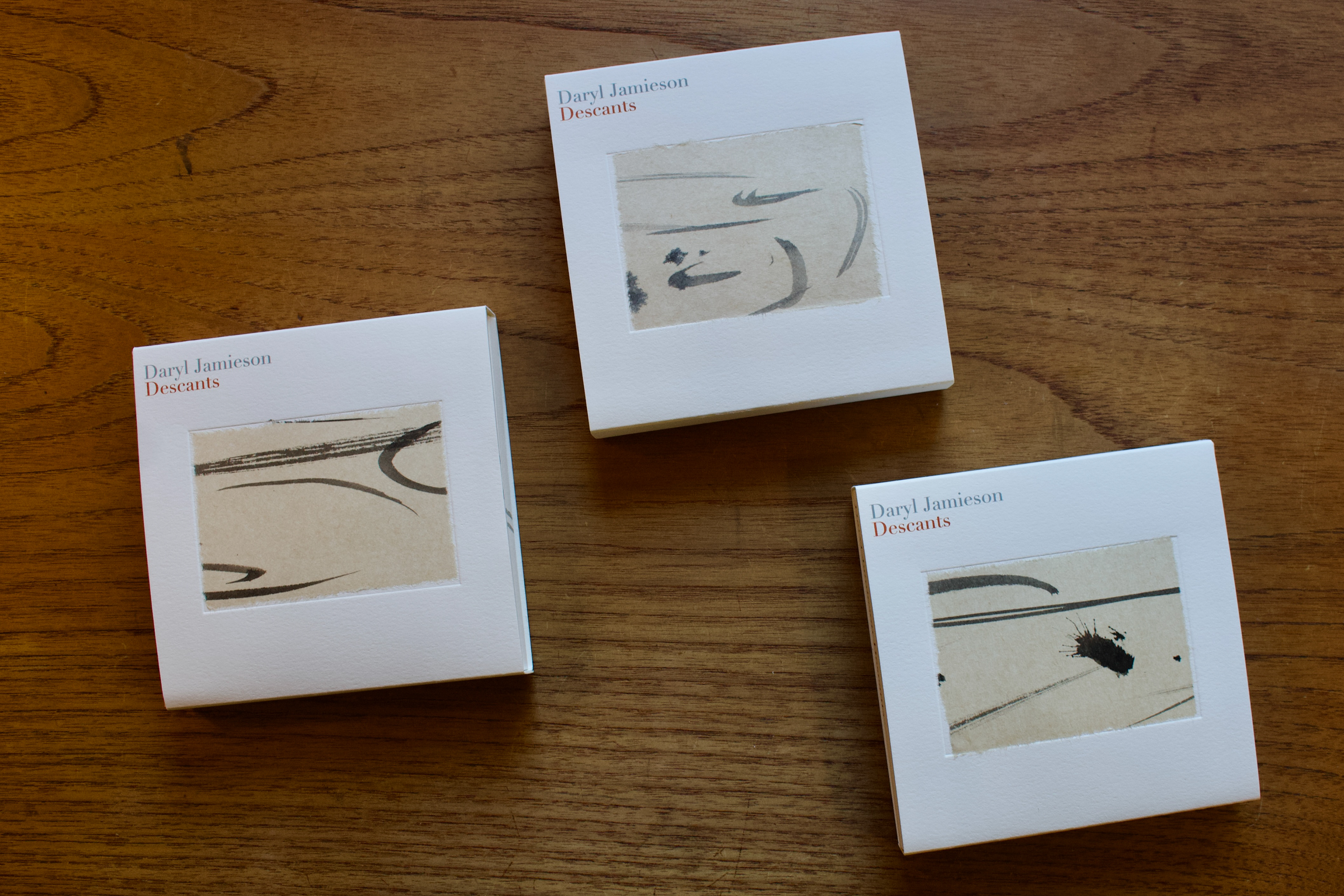
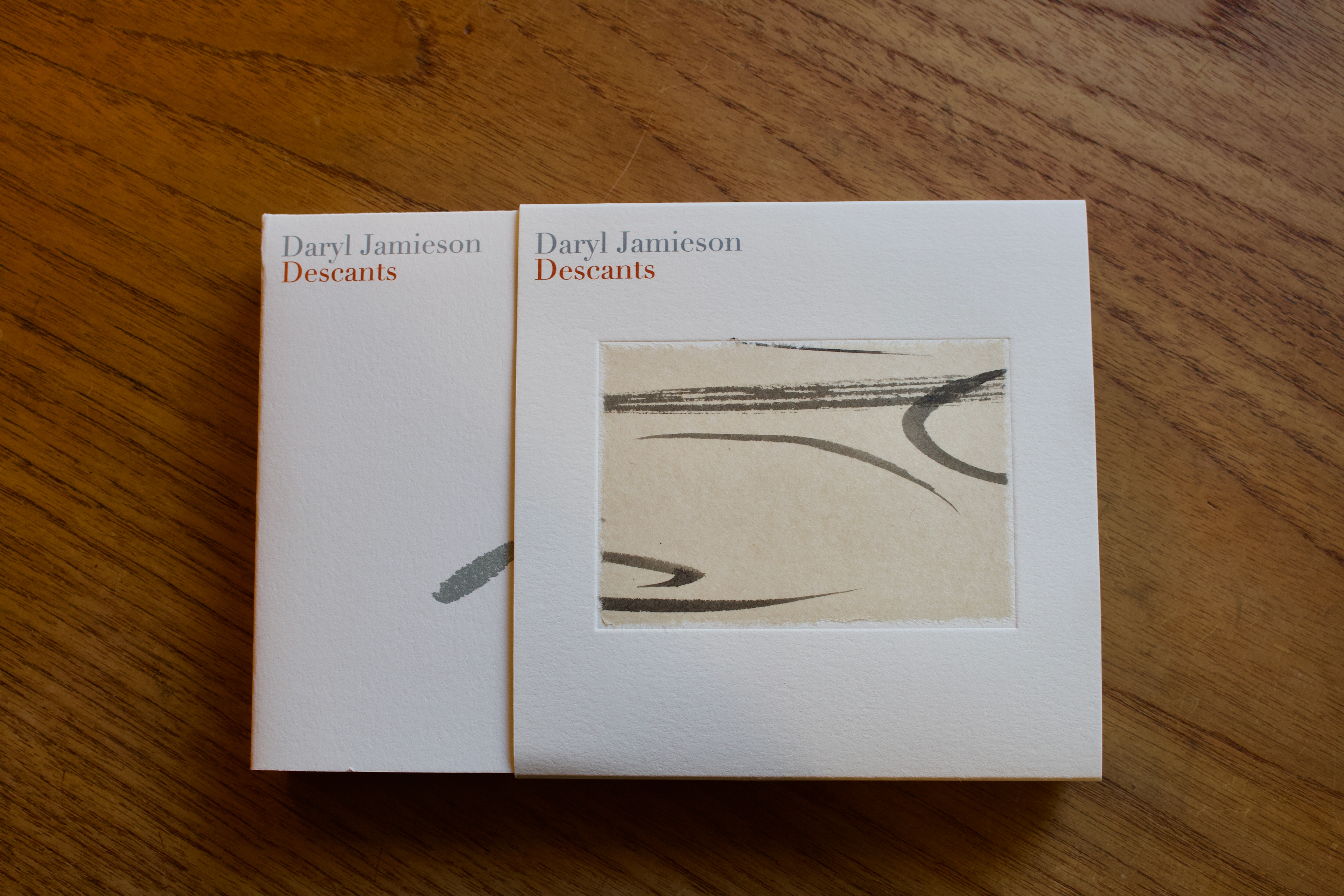

Descants is a series of pieces for solo instruments in natural environments. ‘Natural’, in my meaning, includes human-made environments, eschewing any artificial distinction between humans and the rest of the environment. The composed music is intended to become a part of the natural soundscape, not foregrounded or separated from the natural sounds around it.
In the five pieces which make up the Descants series I aimed to explore the interconnectedness of human and non-human sound beyond the use of field recordings in a concert hall or art gallery. The Covid restrictions of 2020 pushed me to reimagine how to compose music so that it functions as a practice of inter-being (broadly defined) communication rather than a one-way pronouncement from a “composer”.
Each piece in the series also is inspired to greater or lesser extents mediaeval Japanese concepts of time and rhythm, place, and the Buddhahood of nonhumans. All of these recordings make use of a variety of microphones, as well as unconventional microphone placement, to decentre the composed, scored music and introduce a sense of uncanniness into the recordings. They are intended to be non-fictional field recordings of unique instances of sharing sound among the various human and non-human interpreters.
———Daryl Jamieson
Profiles
Daryl Jamieson (composer and field recording artist)
Daryl Jamieson was born in 1980 in Halifax, Nova Scotia, Canada. His musical training began at Wilfrid Laurier University under Glenn Buhr and Linda Catlin Smith, continuing in the UK with Diana Burrell (Guildhall School of Music and Drama) and Nicola LeFanu (University of York). He also spent a research year at the Tokyo University of the Arts under Jo Kondo. His music is published by Da Vinci Edition and the Canadian Music Centre. He has written music criticism for TEMPO (UK) and Nutida Musik (Sweden), and was the English translator of Jo Kondo’s book 'homo audiens' (MusikTexte, 2022). His first monograph, 'Experimental Music and Japanese Aesthetics: Silence, Nature, and Hollow Listening', will be published by Bloomsbury in 2026.
Jamieson’s work focuses on perception and memory. Preoccupations with musical time and the psychogeography of historic locations are heavily influenced by his study and practice of nō theatre, koto, Japanese poetry, and art. His Vanitas musical theatre trilogy (Matsumushi (2014), fallings (2016), and Is nowhere free from bad tidings? (2017)) received the 2018 Toshi Ichiyanagi Contemporary Prize. Ichiyanagi called it ‘an epic musical work of extraordinary elegance and contemporary topical perspective’. Field recording and site-specific work has been very important to his recent output, especially in the utamakura and Descants series. His chamber and orchestral pieces, works for Japanese instruments, solo keyboard, and songs have been performed across Europe, North America, and Asia by Quatuor Bozzini, Orchestre National de Lorraine, Ensemble Muromachi, the Arnold Schönberg Chamber Orchestra, Thin Edge New Music Collective, Miyama McQueen-Tokita, Satoko Inoue, and Kimihiro Yasaka, and others.
He founded Atelier Jaku as a music theatre company in 2013. He was a co-founder and composer-in-residence of mmm... trio, as well as a founding member of the composers collective Music Without Borders. He is also active as a researcher on Japanese aesthetics, and has received grants and awards from the Canada Council for the Arts, the Japan Society for the Promotion of Science, and the Japanese Ministry of Education, among others.
Ko Ishikawa (shō and u) – Descants 1
Ishikawa studied gagaku under Mayumi Miyata, Hideaki Bunno, and Sukeyasu Shiba. He has been playing shō since 1990 and has performed at music festivals in Japan and around the world. He is also a member of the gagaku orchestra Reigakusha, and is active as a soloist in a variety of areas. He has premiered five of Daryl Jamieson’s works for shō and/or u: Spectral (for Kazuo Ohno) (2012), fallen fragments (2015), fallings (2016), Stravaig (2017), and Descants 1 (2020).
Yuta (treble) – Descants 2
Yuta was born in Japan in 2012, sharing a birthday with Brahms and Tchaikovsky. The child of two opera-singer parents, he became familiar with music and musicians from an early age. On his fifth birthday he was given an instrument by a master classical guitar player and he has enjoyed learning how to play the guitar since then. He currently also takes piano lessons once a week, and is a member of his junior high school kendō club. Despite having no choral or stage experience, he enthusiastically tackled this new work written in English on his own initiative and natural talent, achieving great results with his efforts. His hobbies are reading manga and researching cocktails.
Tomoko Akasaka (viola) – Descants 4
Akasaka has won many prizes, including the 3rd prize at the 53rd ARD International Music Competition, and has performed as a soloist and chamber musician worldwide. As a soloist she has appeared with many orchestras, including the Bavarian Radio Symphony Orchestra and the Munich Chamber Orchestra, and has performed as a chamber musician at international music festivals such as the Salzburg Festival, Verbier Festival, BBC Proms, and Seiji Ozawa Matsumoto Festival. In addition, she has given recitals at many world-famous concert venues including the Philharmonie in Berlin, the Musikverein in Vienna, and London’s Wigmore Hall.
Tomoko Akasaka studied with Nobuko Imai for whom she worked for as an assistant professor at the Geneva Conservatory of Music. In addition she has taught in Leipzig and Düsseldorf, and is currently a professor of viola at Musikhochschule Münster.
Shozan Hasegawa (shakuhachi) – Descants 5
Born in 1994 in Kanagawa Prefecture, Hasegawa graduated from Tokyo University of the Arts, where he was awarded the Doseikai Prize. He completed his postgraduate studies at the same university. He was awarded the Grand Prize in the 28th Ichikawa City Cultural Promotion Foundation New Performers Competition (Japanese Traditional Instruments Division), the Grand Prix in the Tokyo University of the Arts Art Fest 2022, and the Tokyo University of the Arts President’s Prize. In 2018, he also completed the Agency for Cultural Affairs’ domestic traineeship for emerging artists. He currently directs the Modern Japanese Music Study Group and Shozankai. He is an instructor of the Tsuzanryu Shakuhachi Gakkai, and a member of the Japan Sankyoku Association, Japan Shakuhachi Players Network, the Tsuzanryu Dozankai, the shakuhachi ensemble Fuga Chikuin, the Japanese instrument orchestra Aioi, and Ensemble Muromachi. On his YouTube channel he is currently undertaking a multitrack recording project of shakuhachi ensemble pieces under the name ‘All Shozan’.
Hasegawa studied shakuhachi under Fujiwara Dozan and koto under Sawai Kazue, and currently lectures at Hosei University’s Sankyokai and is assistant professor of education and research at Tokyo University of the Arts. He is represented by DO Inc.
Hasegawa studied shakuhachi under Fujiwara Dozan and koto under Sawai Kazue, and currently lectures at Hosei University’s Sankyokai and is assistant professor of education and research at Tokyo University of the Arts. He is represented by DO Inc.